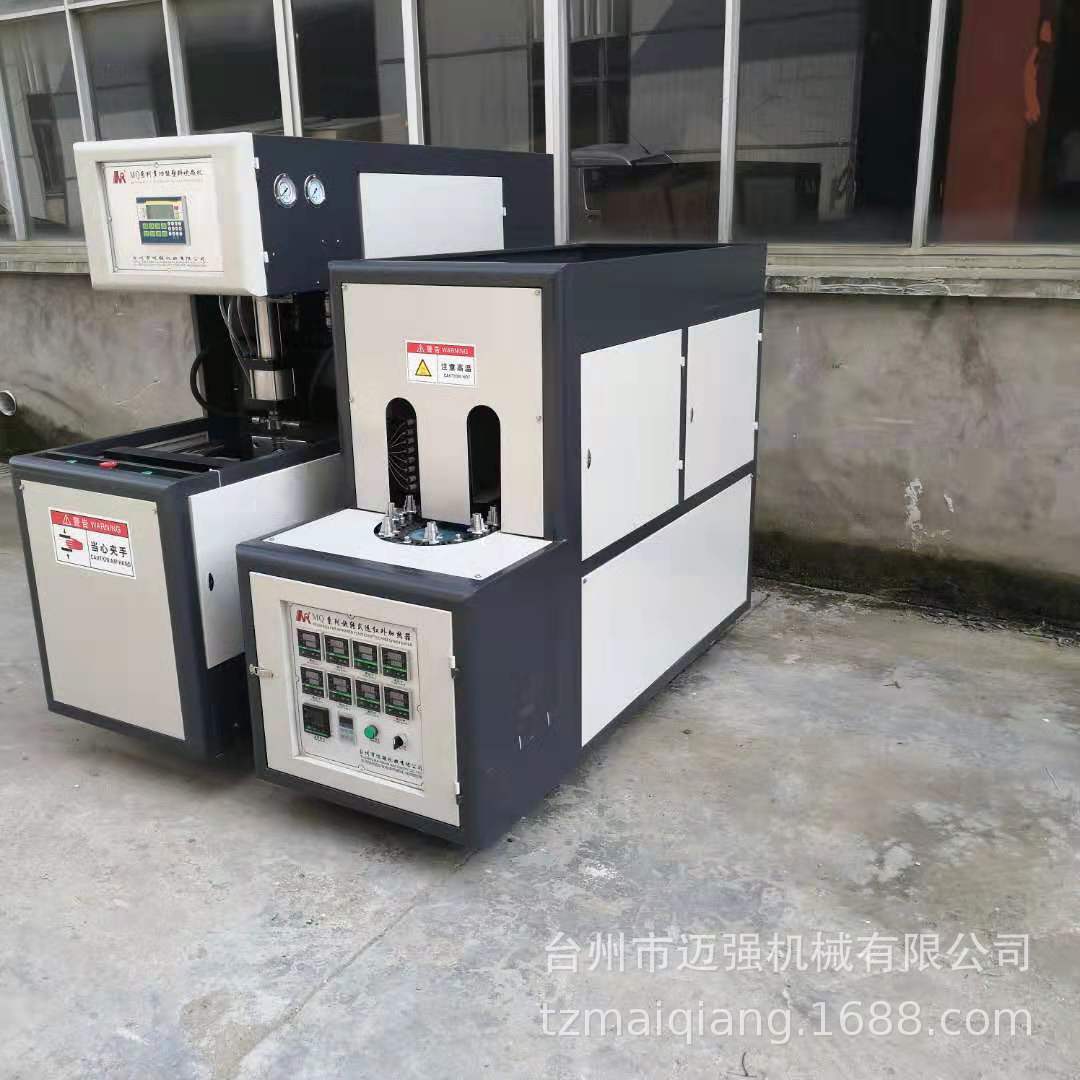
Design, Optimization, and Industrial Application of Semi-Automatic PET Blow Molding Machines
1. Introduction
Plastic pollution is one of the most pressing environmental challenges of the 21st century. Globally, over 400 million tons of plastic are produced annually, yet less than 9% is recycled [5]. In China, annual plastic waste exceeds 60 million tons, with packaging and bottles accounting for more than 35% [8][10]. To close this loop, mechanical recycling remains the most scalable solution—and at its core lies the plastic shredder.
A plastic shredder reduces bulky waste—such as bottles, drums, films, and injection-molded scraps—into uniform flakes (typically 10–50 mm), preparing them for washing, separation, and extrusion into再生颗粒 (regranulate). This paper examines the evolution, engineering principles, and sustainability impact of modern plastic shredding technology, drawing on recent advancements from Chinese manufacturers like Shuliy Machinery and Hengxiang Plastic Machinery [1][6][8].
2. Machine Architecture and Core Components
A typical industrial plastic shredder consists of the following subsystems:
| Component | Technical Specification |
|---|---|
| Rotor Diameter | 300–800 mm |
| Motor Power | 11–75 kW (single or dual motor) |
| Blade Material | High-chromium alloy (e.g., 55CrSi), hardness ≥ HRC62 |
| Cutting System | Rotating knives + stationary knives with adjustable gap |
| Screen Mesh | 20–50 mm (customizable based on material type) |
| Throughput | 100–5,000 kg/h |
| Drive Type | Electric (standard) or diesel (for off-grid use) [6] |
| Control System | PLC with overload protection and auto-reverse function |
For example, the SL-800 model exported to Somalia features a 35-hp diesel engine and processes 700–800 kg/h of mixed rigid plastics [6], while the Hengxiang 4th-generation PET bottle shredder achieves 1.2 tons/h with 18% lower energy use through optimized torque transmission [10].
3. Material-Specific Design Adaptations
Not all plastics behave the same during shredding. Machine parameters must be tailored to input characteristics:
- Rigid Plastics (HDPE, PP drums, buckets): Require smaller screen holes (20–26 mm) and larger knife gaps to avoid jamming.
- Flexible Films (LDPE, PP woven bags): Use larger screens (40–50 mm) and tighter knife clearances to prevent wrapping.
- PET Bottles: Often pre-compacted and fed with label removal; some systems integrate magnetic separators and air classifiers to remove caps and contaminants [1].
Advanced models now include automatic material recognition and adaptive speed control, ensuring consistent output quality across mixed waste streams [10].
4. Energy Efficiency and Operational Optimization
Traditional shredders suffer from high idle losses and inefficient power transmission. Recent innovations address this:
4.1 Variable Frequency Drives (VFDs)
VFDs match motor speed to load demand, reducing energy waste. Field data show 25–40% energy savings compared to fixed-speed systems [5][8].
4.2 Blade Longevity and Maintenance
High-chromium blades last 600–800 hours (vs. 200 hours for standard steel), cutting replacement frequency by 60% [8]. Proper maintenance—such as daily lubrication of bearings, belt tension checks, and grounding for static dissipation—is critical for reliability [1][6].
4.3 Thermal Management
Motors are placed in ventilated enclosures to prevent overheating, extending service life by up to 30% [1].
5. Integration into Recycling Lines
The shredder is rarely a standalone unit. It typically sits at the front end of a full plastic recycling line:
- Pre-sorting →
- Shredding →
- Washing & Friction cleaning →
- Sink-float separation →
- Drying →
- Extrusion & Pelletizing
In Nigeria, a client integrated a SL-400 shredder with a washing line to process detergent bottles, achieving >95% purity in final rHDPE pellets [6]. In China, beverage companies using Hengxiang shredders reduced flake contamination from 8% to 2%, increasing再生料 market value by ¥300/ton [10].
6. Environmental and Economic Impact
Plastic shredders directly support UN Sustainable Development Goals (SDG 12 and 14) by:
- Diverting waste from landfills and oceans,
- Reducing reliance on virgin fossil-based resins,
- Lowering CO₂ emissions (recycling HDPE emits ~1.5 tons CO₂/ton vs. ~3.5 tons for virgin production).
Economically, a mid-sized shredder (500 kg/h) can generate ¥200,000–500,000/year in recovered material sales, with ROI often achieved within 12–18 months [8][10].
Notably, Chinese fishing vessels like the Zhepu Yuanleng 7 now carry compact marine shredders to process ocean-collected plastic waste—turning fishermen into “eco-warriors” and pioneering mobile recycling at sea [11].
7. Future Trends
The next generation of plastic shredders will emphasize:
- AI-powered material identification (e.g., NIR sensors to auto-adjust settings),
- IoT connectivity for remote monitoring and predictive maintenance,
- Modular design for rapid reconfiguration between material types,
- Hybrid power systems (solar + electric) for off-grid recycling hubs in Africa and Southeast Asia [6][10].
Moreover, as regulations like China’s EPR policy and the EU’s Plastic Tax tighten, demand for high-efficiency, low-emission shredders will surge.
8. Conclusion
The plastic shredder has transformed from a rudimentary crusher into a smart, energy-conscious gateway to the circular economy. Through advances in blade metallurgy, drive efficiency, and system integration, modern machines deliver higher throughput, lower operating costs, and greater environmental benefit. As global plastic waste continues to mount, the role of the plastic shredder—as both a technical tool and a symbol of sustainable innovation—will only grow more vital. For engineers, policymakers, and recyclers alike, investing in next-generation shredding technology is not just economically sound—it’s an ethical imperative.
-
Đăng trong
extrusion blow molding machine