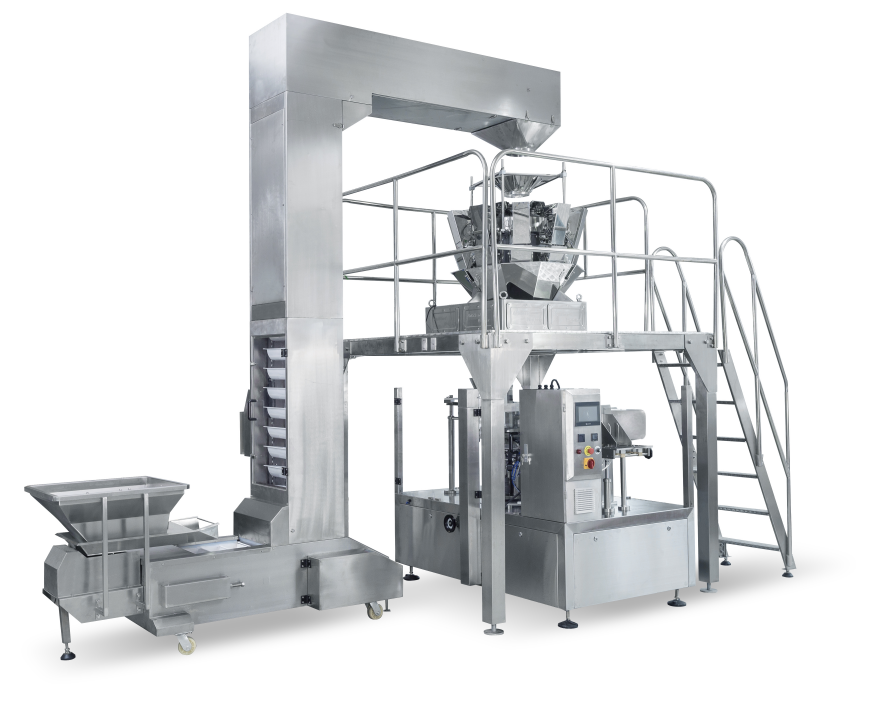
The Evolution and Impact of the Food Packaging Industry
**Abstract:**This paper explores the evolution, current state, and future directions of the food packaging industry. With a focus on innovation, sustainability, and consumer impact, it highlights how advancements in technology and shifts in consumer preferences are shaping this critical sector. **1. Introduction**The food packaging industry plays a crucial role in preserving the quality and safety of foods, extending shelf life, and reducing waste. Over the years, the industry has witnessed...
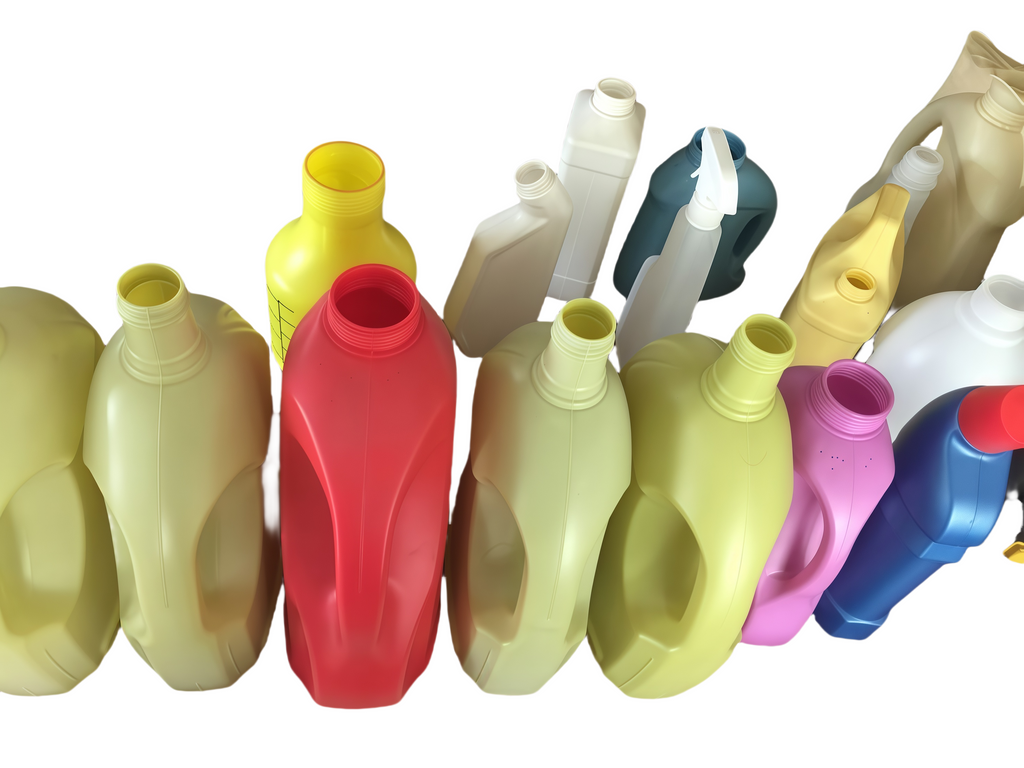
An Overview of Hollow Blow Molding(C)
7. Advantages and Disadvantages Advantages: • Low mold and die costs. • Can produce large and complex-shaped hollow products. • High production efficiency and automation. Disadvantages: • Limited product shape flexibility. • Difficulty in controlling wall thickness. • Lower dimensional accuracy compared to other molding methods. 8. Future Developments With the increasing demand for lightweight and energy-saving products, as well as the development of...
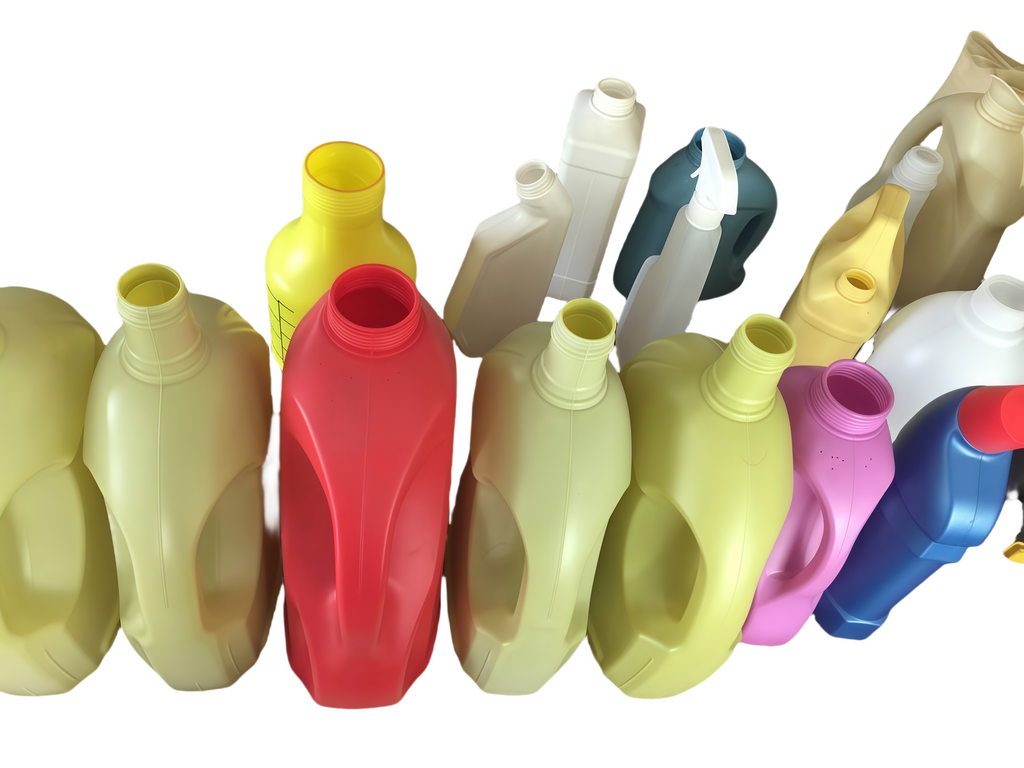
An Overview of Hollow Blow Molding(B)
4. Process Control The quality of hollow blow-molded products is influenced by multiple factors, including parison temperature, blowing pressure, blowing speed, blow-up ratio, and mold temperature. Controlling these factors is crucial for achieving optimal product quality. • Parison Temperature: Too high a temperature can lead to low melt viscosity and easy deformation, while too low a temperature can result in internal stresses in the product, causing deformation and stress...
An Overview of Hollow Blow Molding(A)
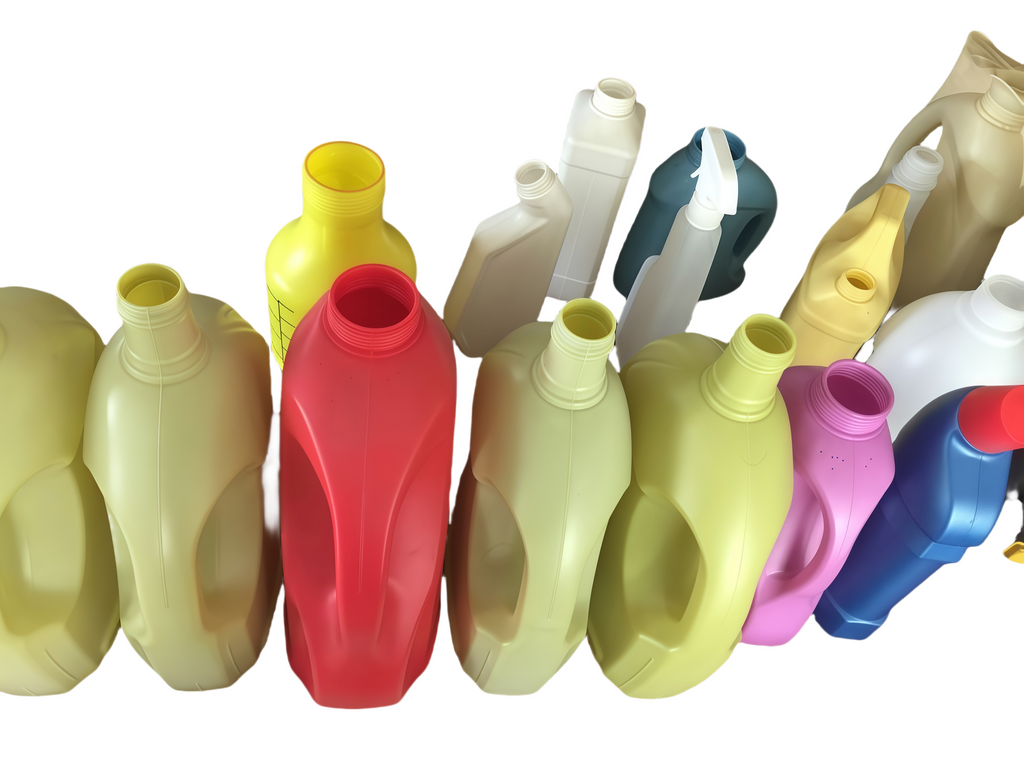
Abstract: Hollow blow molding is a rapidly developing plastic processing method primarily utilized in the manufacturing of hollow plastic products. This paper introduces the basic principles, materials used, process control, applications, and current market trends of hollow blow molding. Additionally, it discusses the advantages and disadvantages of this technique and explores its future development directions. Keywords: Hollow blow molding; Plastic processing; Molding materials; Process control; Market trends 1. Introduction Hollow...
The Current Status and Future Prospects of PP Plastic Products(B)
3. Future Prospects of PP Plastic Products 3.1 Emerging Technologies Advancements in material science are leading to the development of new PP-based composites with enhanced properties. For instance, nano-reinforced PP offers improved stiffness and toughness, making it suitable for high-performance applications. Furthermore, the integration of IoT and big data analytics in manufacturing processes is enabling more efficient production and better quality control of PP plastic products. 3.2 Sustainable Developments The...
The Current Status and Future Prospects of PP Plastic Products(A)
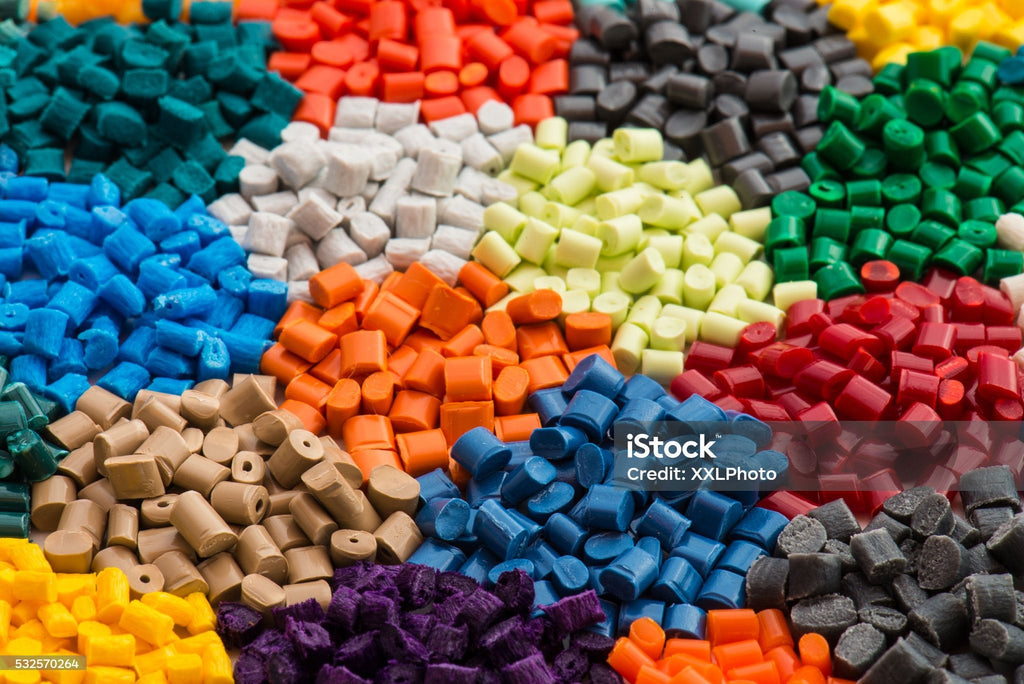
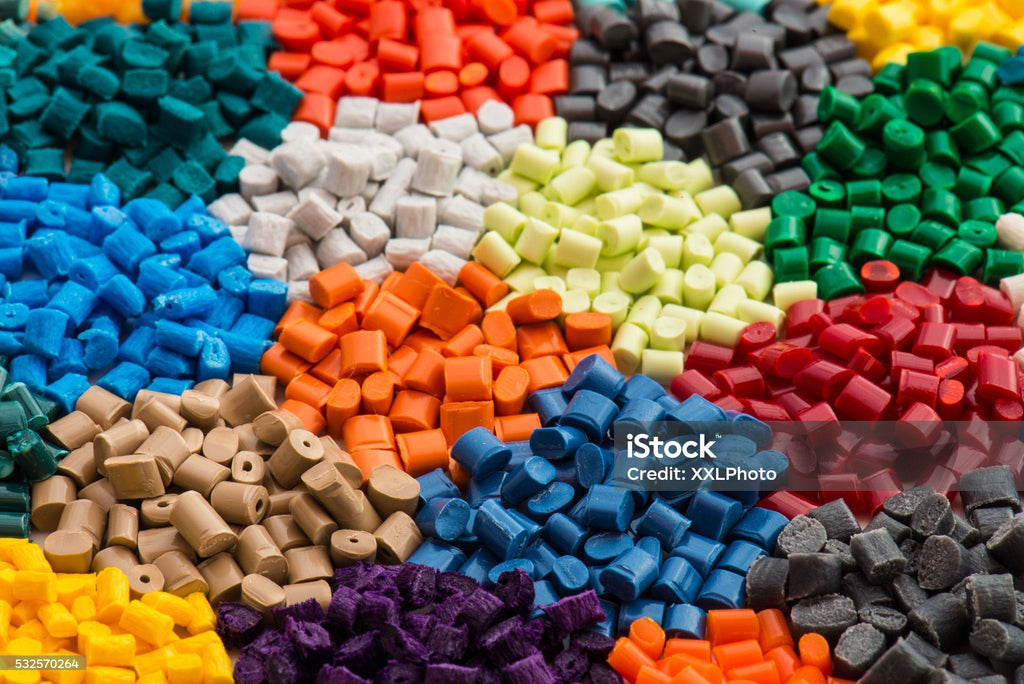
Abstract: Polypropylene (PP) plastic, known for its versatility, durability, and cost-effectiveness, has become a staple in various industries. This paper examines the current status of PP plastic products, exploring their wide range of applications, market trends, and environmental concerns. Furthermore, it delves into the future prospects of PP plastic, including emerging technologies, sustainable developments, and potential market expansions. By understanding both the present landscape and future directions, this paper aims...
The Current Status and Future Prospects of PE Plastic Products(B)
3. Future Prospects 3.1 Emerging Trends The future of PE plastic products is characterized by several emerging trends. One significant trend is the increasing demand for sustainable and eco-friendly packaging solutions. Consumers and businesses are increasingly aware of the environmental impact of plastic waste, leading to a surge in demand for biodegradable and recyclable PE products. 3.2 Technological Advancements Technological advancements are driving innovation in the PE plastic industry. Manufacturers...
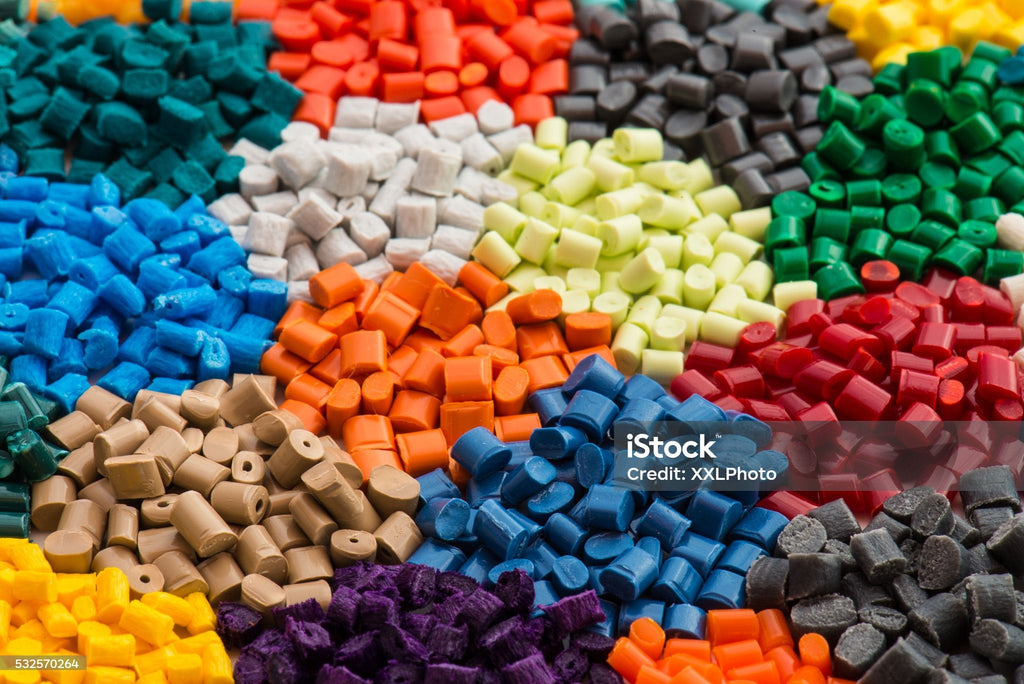
The Current Status and Future Prospects of PE Plastic Products(A)
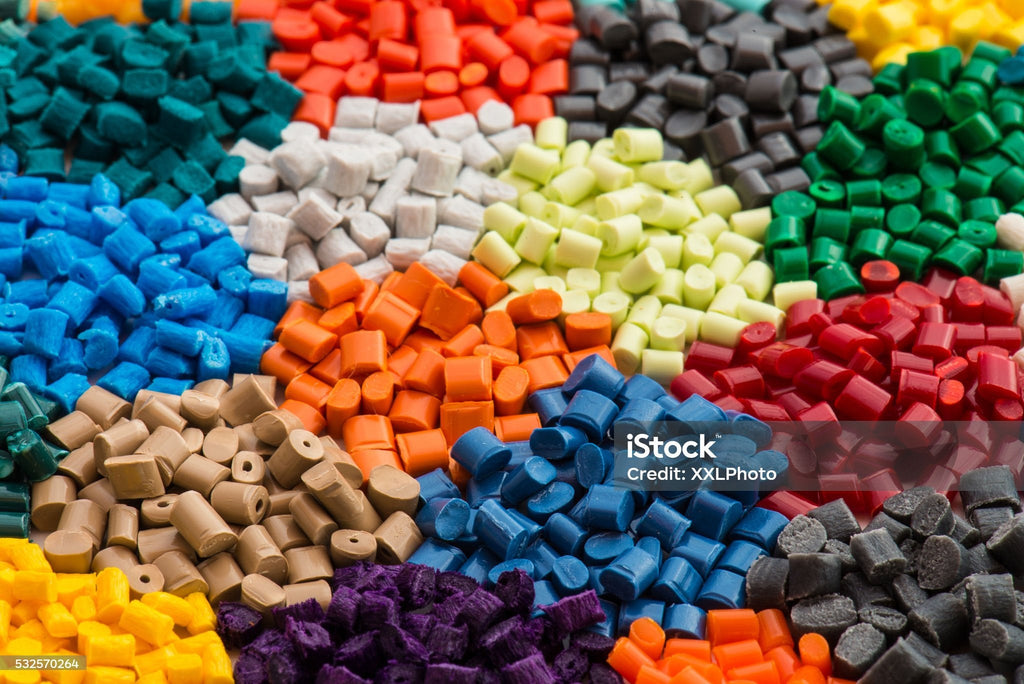
Abstract: Polyethylene (PE) plastic products have gained significant importance in various industries due to their durability, flexibility, and cost-effectiveness. This paper analyzes the current status of PE plastic products, including market trends, production capacities, and applications. Furthermore, it discusses the future prospects of PE plastics, focusing on emerging trends, technological advancements, and environmental considerations. 1. Introduction Polyethylene (PE) is a versatile thermoplastic polymer widely used in packaging, construction, automotive, and...