Plastic raw materials
1. Introduction
Plastics have revolutionized manufacturing industries since the first synthetic polymer was developed in 1869-48. Today, these materials—composed of long-chain macromolecules known as polymers—have replaced many traditional materials such as metals, wood, and glass across countless applications-48. The global production of plastics has increased prodigiously to meet rapidly growing demand, driven by their inexpensive, multipurpose, durable, and lightweight characteristics-1.
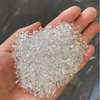
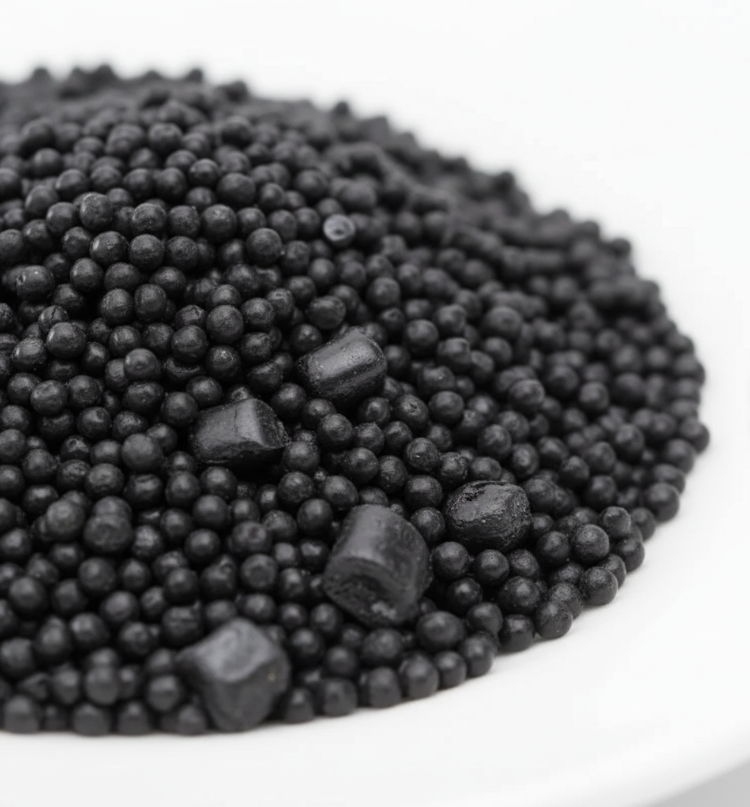
Plastic raw materials consist of polymer resins as the primary component, combined with various auxiliary materials and additives that modify and enhance their properties-. These raw materials are predominantly derived from fossil fuel feedstocks—approximately 98% of global virgin plastics are generated from petrochemical sources-—though renewable biomass sources are gaining increasing attention as sustainable alternatives-49.
This review aims to provide a comprehensive overview of plastic raw materials, covering their classification, key types, properties, processing methods, additive systems, and the critical sustainability issues that define the future of the plastics industry.
2. Classification of Plastic Raw Materials
Plastic raw materials are primarily classified based on their molecular structure and thermomechanical behavior into two major categories: thermoplastics and thermosets-27-.
2.1 Thermoplastics
Thermoplastics are polymers in which intermolecular forces—primarily van der Waals forces—hold the polymer chains together-. These materials are solid at room temperature but become soft and pliable when heated, transitioning to a viscous liquid state at elevated temperatures--27. Upon cooling, they regain their solid form without undergoing chemical change, allowing them to be melted and remolded repeatedly-. This reversibility makes thermoplastics inherently recyclable and suitable for applications requiring flexibility and corrosion resistance-27. Common thermoplastics include polyethylene, polypropylene, polystyrene, PVC, PET, nylons, acetals, and polycarbonates-27.
2.2 Thermosets
Thermosetting plastics are polymers that undergo an irreversible chemical cross-linking reaction during processing, forming three-dimensional network structures held together by strong covalent bonds-. Once cured, these materials become hard and infusible; they cannot be melted or remolded--27. When heated beyond a critical temperature, thermosets degrade and char rather than melt-. This permanent cross-linked structure imparts high modulus, rigidity, and dimensional stability compared to thermoplastics-. Common thermosets include phenolics, epoxides, polyesters, and urea-formaldehydes-27.
3. Major Types of Commercial Plastics
3.1 Commodity Plastics
The five major commodity plastics—PE, PP, PVC, PS, and PET—collectively dominate global plastic production and consumption--.
Polyethylene (PE) is the most widely used plastic globally-27. It is a semi-crystalline polymer with a density ranging from 0.91 to 0.96 g/cm³, exhibiting medium stiffness and strength while remaining mechanically flexible-28. PE is chemically resistant, considered food-safe, weldable, and cost-efficient-28. Applications include bags, agricultural films, food packaging, bottles, houseware, toys, and pipes-28.
Polypropylene (PP) shares similarities with PE but offers higher melting point, stiffness, and strength-27. With a density of 0.90–0.91 g/cm³, PP is semi-crystalline, moderately stiff, dimensionally stable, chemically resistant, and food-safe-28. It is widely used in food packaging, wrappers, containers, pipes, and automotive parts-28.
Polyvinyl Chloride (PVC) is an amorphous polymer with density ranging from 1.16 to 1.55 g/cm³-28. Its properties range from soft to rigid depending on plasticizer concentration-28. PVC is dimensionally stable, chemical-resistant, weather-resistant, flame-retardant, and cost-efficient-28. Applications include window frames, profiles, pipes, cable insulation, hoses, and pools-28.
Polystyrene (PS) is an amorphous, rigid, and brittle plastic with density ranging from 0.02 to 1.05 g/cm³-28. It exhibits dimensional stability but is susceptible to stress corrosion cracking-28. PS is used in food packaging, building insulation, electronics, and leisure products-28.
Polyethylene Terephthalate (PET) is a semi-crystalline polymer with density of 1.38–1.40 g/cm³-28. It is rigid, dimensionally stable, chemically resistant, food-safe, and highly transparent-28. PET is extensively used for beverage bottles, textile fibers, and food containers-28.
3.2 Engineering Plastics
Engineering plastics possess superior mechanical properties for demanding engineering applications-. These materials typically exhibit thermal deformation temperatures of 100°C or higher, tensile strengths of 500 kgf/cm² or greater, and impact resistance of 5 kgf·cm/cm or above-. Key engineering thermoplastics include:
Polyamides (Nylons) such as PA6 and PA66 are semi-crystalline polymers characterized by hardness, abrasion resistance, wear resistance, and chemical resistance-28. They are used in textiles, carpets, fishing lines, food packaging, and mechanical components such as gears and bearings-27-28.
Polycarbonate (PC) is a transparent, impact-resistant plastic capable of withstanding high temperatures and UV radiation-27. Applications include lenses, helmets, shields, lighting fixtures, and optical media-27.
Acetal (Polyoxymethylene, POM) is a strong, rigid plastic with excellent resistance to wear, friction, and chemicals-27. It is used in precision components such as gears, bearings, valves, pumps, and electrical components-27.
4. Plastic Processing Technologies
The transformation of plastic raw materials into finished products involves a range of processing techniques-. Primary processing methods include injection molding, extrusion, blow molding, compression molding, and transfer molding-.
Injection molding is one of the most widely used processes, in which molten polymer is injected into a mold cavity under high pressure, then cooled and ejected as a solid part-.
Extrusion involves forcing molten polymer through a die to create continuous profiles such as pipes, films, and sheets-.
Blow molding is used to produce hollow articles such as bottles and containers-.
Secondary processing techniques include rotational molding, thermoforming, and additive manufacturing-. The selection of a particular processing method depends on the geometry requirements of the final product, production volume, and material characteristics-.
5. Additives for Plastic Raw Materials
Additives play a pivotal role in tailoring the properties of plastic materials to meet specific performance, safety, and sustainability criteria-. The four major classes of plastic additives are plasticizers, flame retardants, stabilizers, and antimicrobials-.
Plasticizers are incorporated to increase flexibility and workability, particularly in PVC applications-.
Flame retardants enhance fire resistance; advanced systems such as intumescent phosphorus-based formulations can achieve UL-94 V-0 ratings while preserving mechanical properties-.
Stabilizers protect polymers from degradation during processing and service life, including heat stabilizers, UV absorbers, and antioxidants-.
Colorants and other functional additives are also commonly employed to modify appearance and impart specific characteristics-.
6. Sustainability and Environmental Challenges
6.1 Environmental Impact of Plastic Production
The production of virgin plastics carries a substantial environmental burden. In 2019, global primary plastic production generated approximately 2.24 gigatonnes of carbon dioxide equivalent (GtCO₂e), accounting for 5.3% of total global greenhouse gas emissions-37-. Critically, approximately 75% of these emissions occur in the steps prior to polymerization—specifically, feedstock extraction (20%), hydrocarbon refining (29%), and monomer production (26%)-37-. If current growth trends continue, plastic production emissions could more than double to 4.75 GtCO₂e by 2050-.
6.2 Recycling and Circular Economy
Addressing plastic waste has become a global priority. Recycling strategies are broadly categorized into mechanical and chemical methods-.
Mechanical recycling—the most widely applied approach—involves sorting, washing, grinding, and remelting plastic waste-. While it demonstrates high maturity and strong climate performance, it faces economic barriers due to contamination and polymer degradation during reprocessing-.
Chemical recycling encompasses thermolysis, depolymerization, and other processes that break down polymers into monomers or other chemical feedstocks-. Though offering greater circularity potential, these technologies remain at intermediate technology readiness levels-.
Emerging advanced recycling techniques aim to improve sustainability, efficiency, and circularity in polymer waste management-.
6.3 Toward Sustainable Polymers
The transition toward sustainable polymer systems is advancing along multiple fronts-. Bio-based polymers derived from renewable resources—including plant oils, fatty acids, cellulose, and lignin—are being pursued as alternatives to fossil-fuel-based plastics-49. Notable examples include polylactic acid (PLA), polyhydroxyalkanoates (PHAs), and polybutylene adipate terephthalate (PBAT)-. However, challenges remain in matching the mechanical and thermal performance of conventional plastics-.
The integrated framework of sustainable polymers rests on three core pillars: renewable resources, built-in functionality, and circular pathways-. This holistic approach—encompassing design, production, use, and end-of-life management—will be essential for mitigating the environmental impact of plastics while preserving their societal benefits-.
7. Conclusion
Plastic raw materials represent one of the most significant material innovations of the modern era. From commodity polymers such as polyethylene and polypropylene to high-performance engineering plastics, these materials have enabled unprecedented advances across virtually every sector of industry and daily life-1. The classification of plastics into thermoplastics and thermosets, the diversity of processing technologies, and the sophisticated additive systems available today provide engineers and designers with an extraordinary palette of material options.
However, the environmental consequences of plastic production and disposal—particularly the reliance on fossil fuel feedstocks and the persistence of plastic waste—demand urgent attention-. The future of plastic raw materials lies in the successful transition toward sustainable feedstocks, circular economy models, and innovative recycling technologies-. As research advances in bio-based polymers, chemical recycling, and closed-loop material systems, the plastics industry is poised for a transformation that will reconcile the indispensable utility of these materials with the imperative of environmental stewardship-49.
-
Posted in
Plastic raw materials